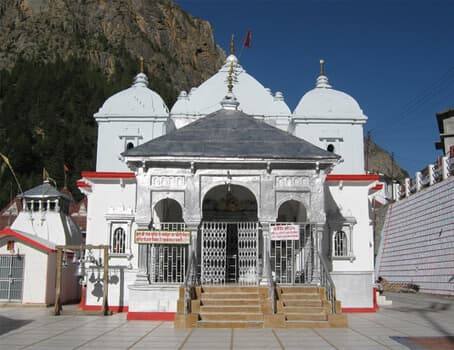
Gangotri Temple in Uttarakhand is more than a place marked on a pilgrimage map; it is a living spiritual environment where prayer, memory, discipline, and devotion come together. For many devotees, the journey begins well before they enter the sanctum. It starts with intention, with the quiet decision to step away from routine and devote time to something larger than daily concerns. That transition from ordinary life into sacred space is part of what makes a temple visit memorable. When pilgrims reach Gangotri Temple, they are not only looking for a blessing; they are also looking for peace, direction, and a renewed sense of inner balance.
The temple's history gives the visit depth and continuity. Built by Gorkha commander Amar Singh Thapa in the 18th century. Gangotri Temple is the highest temple dedicated to Goddess Ganga. The river Ganges originates from the Gangotri glacier at Gaumukh, 19 km from the temple. Even when the architecture or the ritual pattern appears familiar, every temple has its own spiritual character. Some sites feel deeply intimate and close to the devotee; others feel expansive, monumental, and ceremonial. In both cases, the temple becomes a bridge between the visible world and the invisible world of prayer. That bridge matters because it reminds visitors that faith is not only about belief in an abstract sense. It is also about place, memory, community, and the repeated act of returning to the same sacred threshold with a fresh heart.
The rhythm of darshan and aarti forms the devotional heartbeat of the temple day. Summer schedule: 6:15 AM - 2:00 PM to 3:00 PM - 9:30 PM. The aarti schedule on this page highlights the main worship moments, including the temple aarti sequence listed on this page. These timings are not merely calendar information. They structure the pilgrim's experience, help families plan their visit, and create a shared devotional rhythm in which many people pray together at the same time. For a first-time visitor, arriving a little early often allows the mind to settle, the body to slow down, and the heart to become more receptive to darshan.
Prasad is another meaningful part of the journey. This temple page lists prasad options such as the temple prasad offerings listed on this page. Prasad should be received with reverence, patience, and gratitude, because it represents blessing rather than transaction. When a temple shares a specific prasad note, it is worth reading carefully because it often contains practical guidance for collection, timing, or seasonal availability. For many families, prasad becomes the tangible memory of the visit, something that carries the mood of the temple back home and keeps the spiritual connection alive after the journey ends.
A respectful visit also means following the temple's guidance and the customs of the local trust. The guidelines listed for this temple include the temple's posted guidelines. If the temple has an official website, that should be the first place to check for special notices, festival updates, donation information, and any temporary changes to the schedule. The official trust portal or local temple notice board should always be checked before travel. Good preparation does more than reduce inconvenience. It makes the visit calmer, more focused, and more spiritually present from the moment you leave home.
For modern pilgrims, Gangotri Temple remains important because it connects ancient faith with contemporary devotion. Visitors may arrive physically, follow live updates, or book a puja in advance, but the deeper purpose is the same: to create a moment of stillness in which the mind can settle and the heart can listen. That is why temple journeys often stay in memory long after the trip ends. Devotees remember the bell sounds, the scent of incense, the collective chanting, and the feeling that their prayers were heard. In that sense, a temple visit is not only a religious act; it is also a renewal of hope, discipline, and gratitude that continues to shape life well after the journey is complete.
Built by Gorkha commander Amar Singh Thapa in the 18th century.
Connect with the divine energy of Gangotri Temple. Check the timings and guidelines for a seamless experience.
Trusted puja booking with authentic Vedic rituals and priest support.

Kedarnath Temple
Kedarnath Temple is a Hindu temple dedicated to Lord Shiva. Located on...
Badrinath Temple
The Badrinath Temple is dedicated to Lord Vishnu and is one of the fou...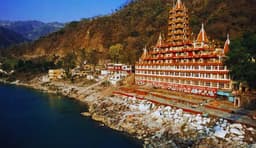
Neelkanth Mahadev Temple
The temple is situated at an altitude of 5,633 feet and is one of the ...Yamunotri Temple
Yamunotri is the source of the Yamuna River and the first stop in the ...According to the Agama Shastras, a temple is the physical manifestation of the divine. The energy of Gangotri Temple is concentrated through ancient Prana Pratishtha rituals, making it a powerful portal for spiritual transformation.
The architecture of Gangotri Temple follows the traditional Nagara style. From the intricate carvings on the outer walls to the perfectly aligned Kalash atop the spire, every element serves a spiritual purpose—to elevate the soul from the mundane to the divine.
Experience the profound peace and divine energy of Gangotri Temple. Let our Vedic scholars guide you through the sacred rituals and history of this ancient shrine.
Book Puja with Vedic Pandits Now